The FAA Opens the Sky to Electric Aircraft
On March 9, 2026, the U.S. Department of Transportation and the Federal Aviation Administration announced something that would have sounded like science fiction a decade ago: eight Advanced Air Mobility projects spanning 26 states, bringing electric vertical takeoff and landing aircraft into real American airspace. Not remote test ranges. Not cordoned-off desert corridors. Real commercial airspace — Class B and Class C airports with active air traffic control, shared with 737s, regional jets, and Cessnas.
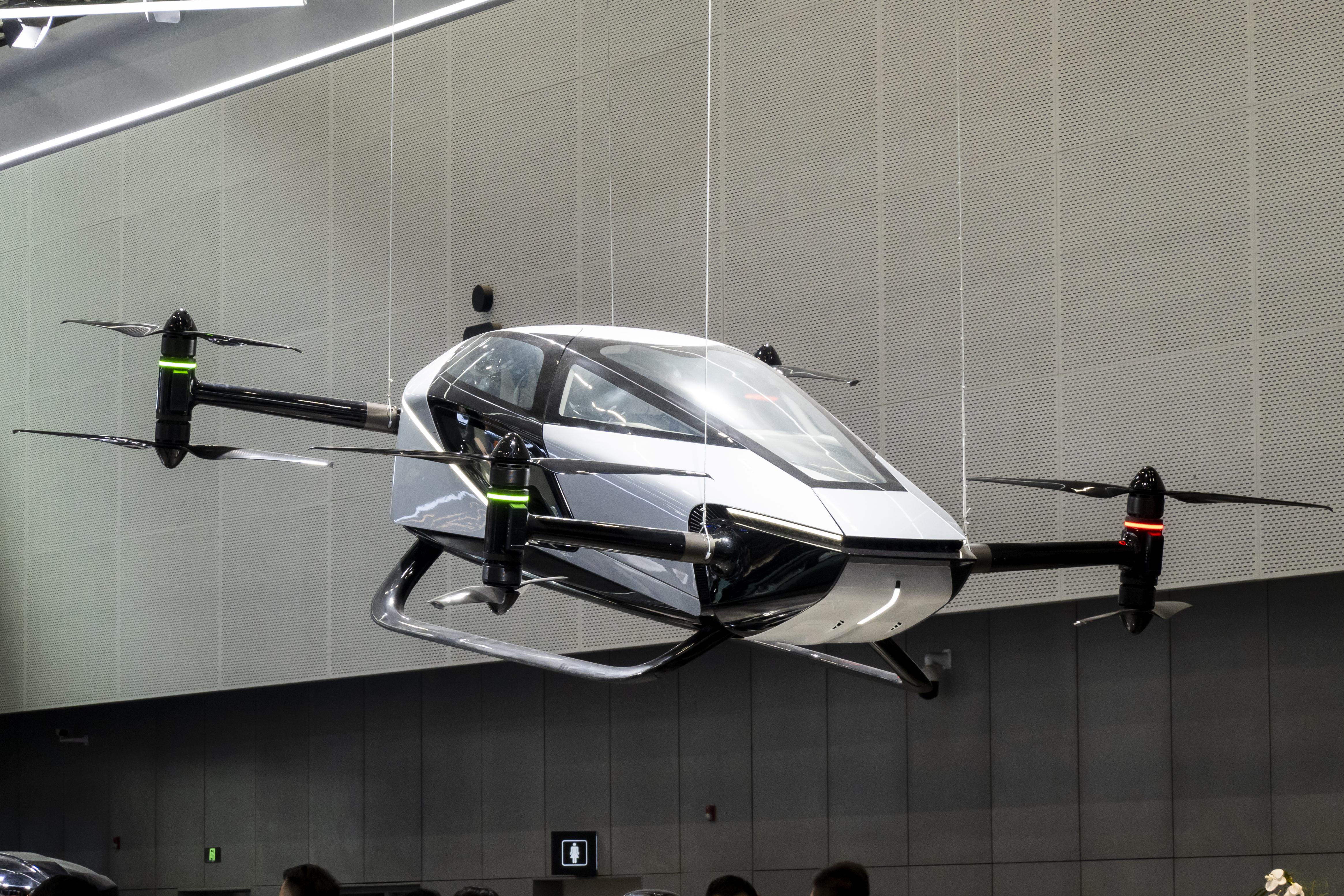
The public could see these aircraft flying by summer 2026. The vehicles involved read like a roster of the companies that have been quietly building the future of aviation for the past five years: Archer Midnight, Joby S4, Beta Alia, Wisk Generation 6, Electra EL9, and Elroy Air Chaparral. The use cases are equally diverse — urban air taxi service, regional passenger transport, cargo logistics, medical response, autonomous flight operations, and offshore energy support.
For student pilots and career-minded aviators, this is not a distant headline. It is the beginning of a tangible shift in the airspace you will fly in, the traffic you will share frequencies with, and the career paths available to you.
The Eight Projects Reshaping American Airspace
The geographic scope of the FAA program is striking. This is not a Silicon Valley experiment — it is a nationwide buildout that touches nearly every region of the country.
New York and New Jersey lead with the most ambitious portfolio: Archer, Beta, Electra, and Joby are all involved in a slate of 12 concepts that includes eVTOL passenger operations from the Manhattan Heliport. Imagine stepping onto an electric air taxi at the East River and landing in Newark 10 minutes later — that is what these projects are working toward.
Texas is building an interconnected air taxi network linking Dallas, Austin, San Antonio, and Houston. Florida has launched a three-phase statewide program that progresses from cargo operations through passenger service and eventually into autonomous flights and medical response. Pennsylvania is coordinating a 13-state collaborative through NASAO — the National Association of State Aviation Officials — with a focus on revitalizing regional air service to communities that lost scheduled flights years ago, echoing the goals of the Essential Air Service program.
North Carolina is pursuing medical and regional operations with plans for autonomous flights extending into Virginia. Utah is anchoring a four-state effort across the Pacific Northwest and Rocky Mountain region. Louisiana is focused on cargo and logistics through partnerships with Elroy Air and Beta. And in Albuquerque, New Mexico, Reliable Robotics is developing fully autonomous flight operations — aircraft with no pilot on board at all.
The message from the FAA is clear: Advanced Air Mobility is not a single-city pilot program. It is a national infrastructure initiative, and it is moving faster than most people in aviation realize.
What eVTOL Means for Airspace and Pilots
The most immediate implication for pilots is airspace complexity. eVTOL aircraft will operate in Class B and Class C airspace alongside conventional traffic. That raises practical questions that ATC facilities and the FAA are working through right now: how do you sequence a Joby S4 — which cruises at 200 mph and transitions between hover and wing-borne flight — with a Boeing 737 on a four-mile final?
New pilot certificates and operating rules are being developed to govern eVTOL operations. The FAA is defining the training requirements, medical standards, and operational limitations that will apply to pilots flying these aircraft. For conventional pilots, the near-term impact is straightforward: expect new traffic types in your pattern and on your frequencies.
This is where the fundamentals become critical. Understanding airspace classifications, communication procedures, and traffic awareness has always been important. With eVTOL traffic entering the mix, these skills become even more essential. A student pilot learning to fly in 2026 will spend their career operating alongside aircraft that look and behave differently from anything in the current fleet. The pilots who handle that transition well will be the ones who mastered the basics early.
The Pilot Career Angle
eVTOL companies are hiring pilots now. Joby, Archer, Beta, and others need test pilots to validate their aircraft, line pilots to fly commercial routes once certified, and training captains to build the programs that will qualify the next wave of eVTOL aviators. These are career paths that did not exist five years ago, and they are expanding rapidly as certification milestones approach.
Some eVTOL operations will be autonomous — Wisk and Reliable Robotics are both pursuing aircraft that fly without a human pilot on board. But the majority of near-term commercial operations will require a certificated pilot at the controls. The regulatory environment, public trust considerations, and operational complexity of urban air mobility all favor human pilots for the foreseeable future.
The broader pilot shortage reinforces this point. eVTOL does not reduce the demand for pilots — it adds to the total pilot pool needed across the industry. Regional airlines, major carriers, cargo operators, corporate flight departments, and now eVTOL companies are all competing for qualified aviators. For career-minded student pilots, the math is simple: more aircraft types operating in more places means more jobs.
Instrument proficiency and airspace knowledge are directly transferable from conventional flying to eVTOL operations. A pilot who understands how to navigate complex airspace, communicate clearly with ATC, and maintain situational awareness in a high-density traffic environment has exactly the skill set that eVTOL operators need. The training you are doing today is building the foundation for a career that may include aircraft types that are still in flight test.
Why Navigation Fundamentals Still Matter in the eVTOL Era
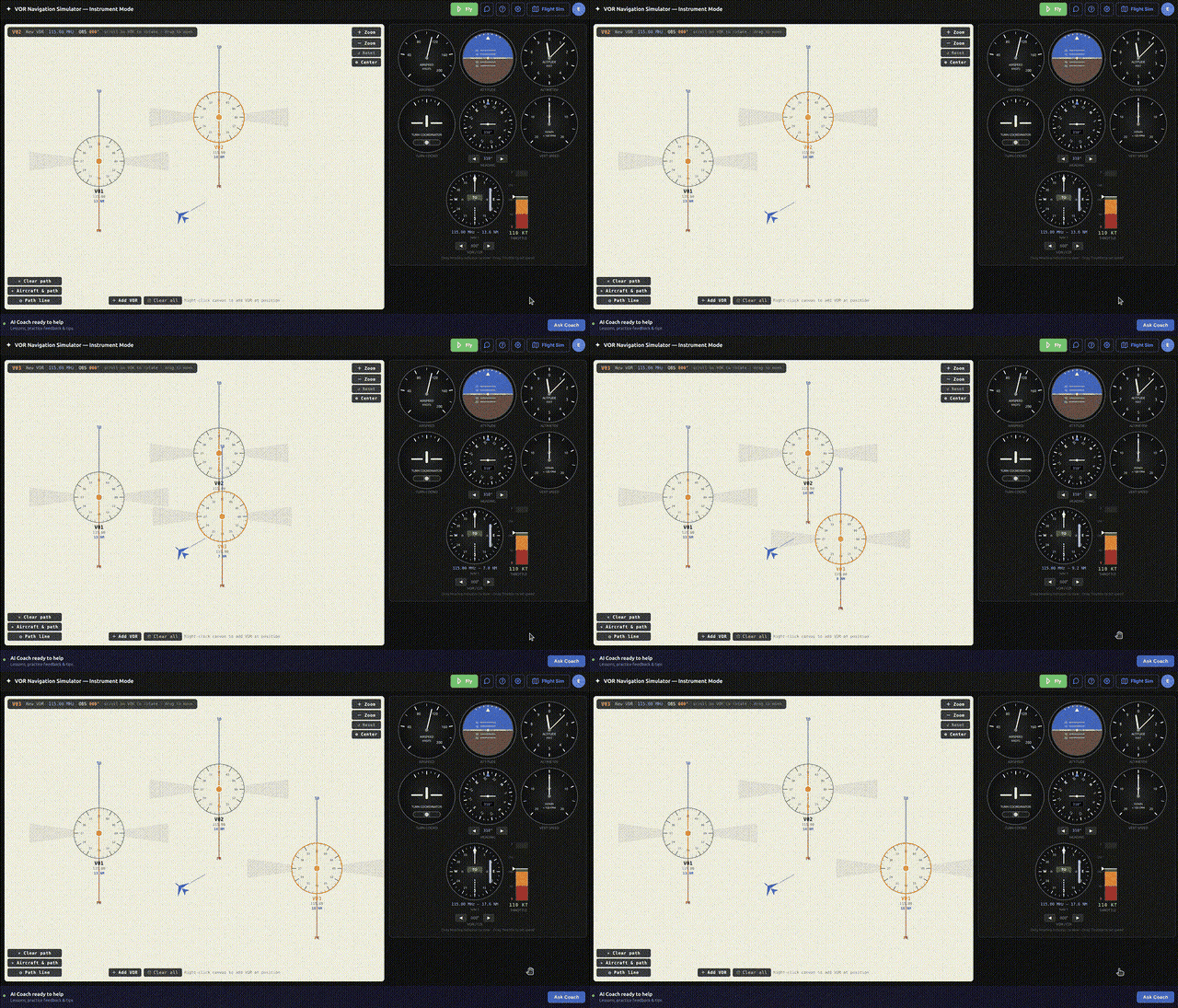
eVTOL aircraft rely heavily on GPS and digital automation for navigation. Their flight management systems are designed around satellite-based positioning, and their autopilot capabilities are sophisticated. So why would a student pilot still need to learn VOR navigation and manual instrument interpretation?
Because GPS is not infallible. GPS jamming and spoofing incidents have increased in recent years, particularly in conflict zones and around sensitive military installations. Solar weather events can degrade satellite signals across entire regions. And even routine equipment failures can leave a pilot without their primary navigation source at exactly the wrong moment.
The FAA still requires conventional navigation knowledge for pilot certification for a reason. VOR proficiency, spatial awareness, and the ability to interpret analog instruments are the foundation that every automated system is built on. When the automation disagrees with reality — or simply stops working — the pilot who understands the underlying navigation principles is the one who maintains control of the situation.
Student pilots who master these fundamentals will be better eVTOL pilots, not in spite of the automation, but because of it. Understanding what the computers are doing, recognizing when they are wrong, and having the skills to take over manually is the definition of professional airmanship. That applies whether you are flying a Cessna 172, a Boeing 787, or an Archer Midnight.
The Takeoff Point
Summer 2026 marks a genuine inflection point for American aviation. Electric aircraft will share airspace with conventional traffic. New career paths will open for pilots willing to embrace emerging technology. And the geographic footprint of commercial aviation will expand as air taxi networks connect cities that regional airlines abandoned years ago.
For student pilots, this is the most exciting time to be learning to fly since the dawn of the jet age. The aircraft are changing, the mission profiles are diversifying, and the demand for skilled pilots is higher than it has been in decades. But the fundamentals have not changed. Airspace knowledge, clear communication, precise navigation, and sound aerodynamic understanding are still the skills that separate prepared pilots from everyone else.
The eVTOL revolution does not make those fundamentals obsolete — it makes them more valuable. The pilots who invest in mastering navigation, spatial awareness, and instrument proficiency today will be the ones leading the next chapter of aviation tomorrow.