What Happened at LaGuardia
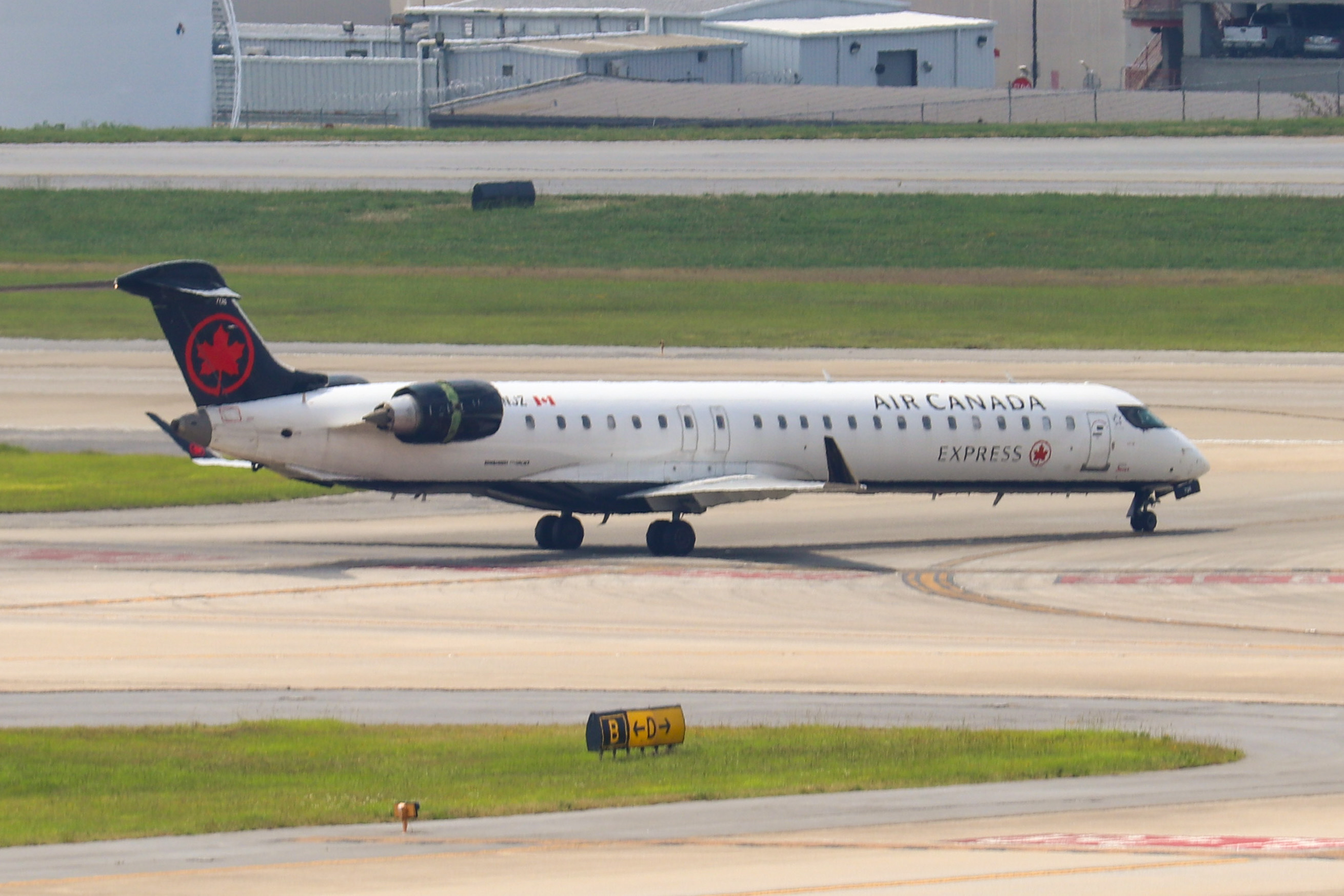
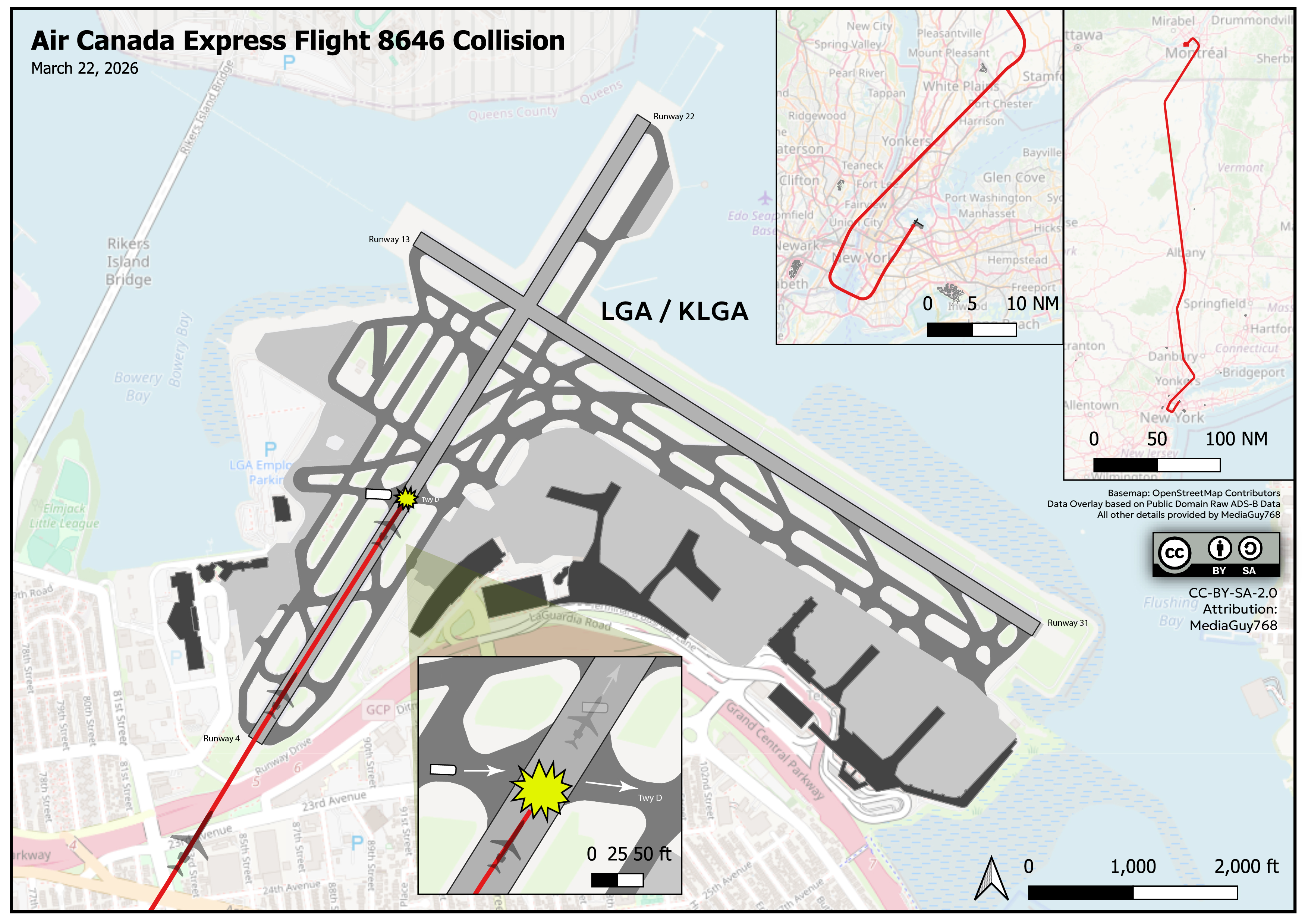
On the night of March 23, 2026, Air Canada Express Flight AC8646 — a Bombardier CRJ-900 operated by Jazz Aviation — was on final approach to Runway 4 at New York's LaGuardia Airport. The aircraft carried 72 passengers and 4 crew members.
Minutes before touchdown, a Port Authority fire truck had been dispatched to a United Airlines flight that reported an unusual odor on board. Air traffic control cleared the truck to cross Runway 4 at taxiway Delta. As the Air Canada jet touched down traveling between 93 and 105 mph, the controller realized the conflict and urgently attempted to stop the vehicle — but it was too late.
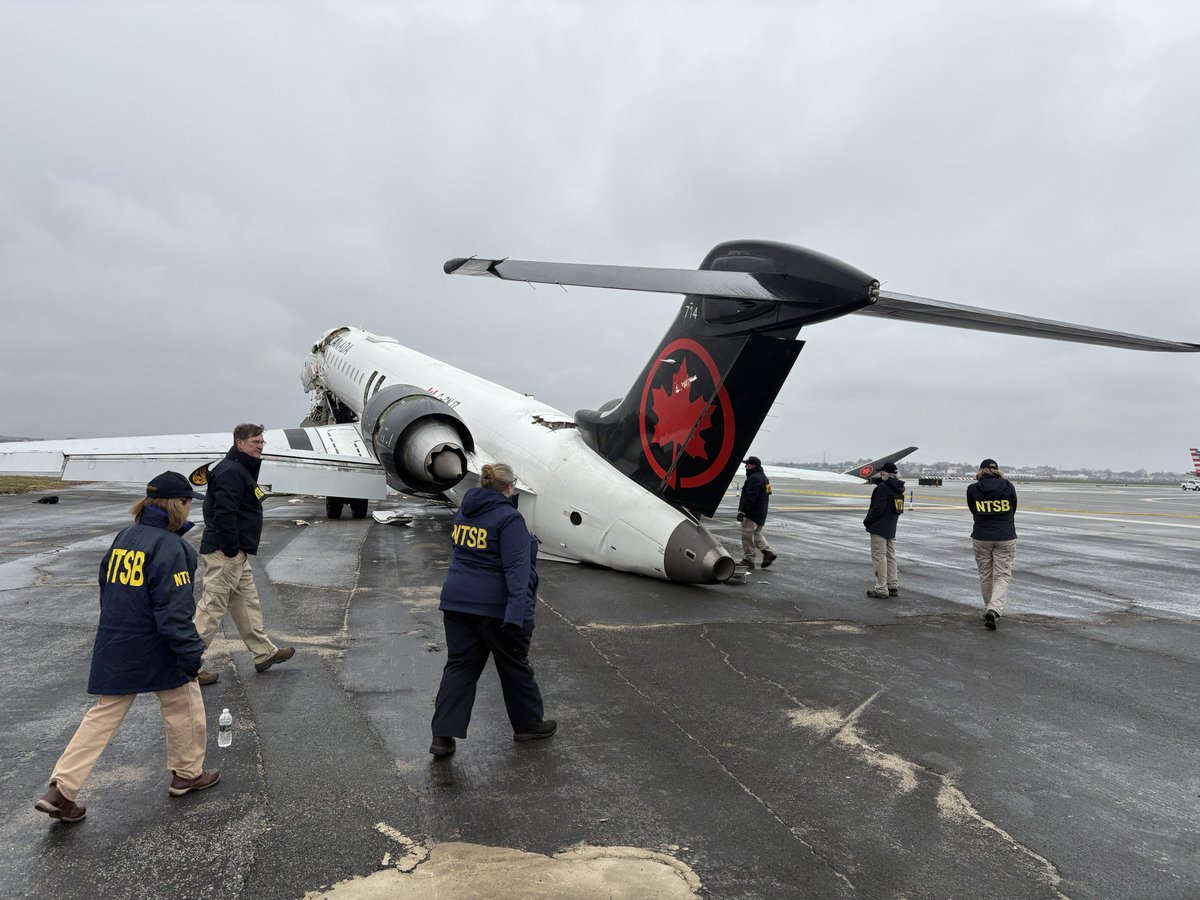
The aircraft struck the fire truck, destroying the cockpit and front fuselage. Both pilots — the captain and first officer — were killed. Forty-one passengers and crew were hospitalized, along with two firefighters in the truck. The NTSB immediately dispatched a go-team to investigate.
Runway Incursions: A Persistent Threat
A runway incursion is any unauthorized presence of an aircraft, vehicle, or person on the protected surface of a runway. According to the FAA, the United States averages over 1,700 runway incursions per year — roughly five per day. Most are caught before they become dangerous, but the ones that slip through can be catastrophic.
The LaGuardia collision is a textbook case of a vehicle/pedestrian deviation (V/PD) — where a ground vehicle enters a runway without proper clearance or after clearance has been revoked. These incidents expose the fragile coordination between ATC, ground operations, and flight crews, especially at busy airports operating at night.
For student pilots, this is a sobering reminder that the runway environment is one of the most dangerous places in aviation — and situational awareness does not stop when the wheels touch the ground.
Key Factors Under Investigation
The NTSB investigation will examine several critical factors:
ATC coordination and timing — Was the fire truck cleared to cross with adequate separation from the landing aircraft? At what point did the controller recognize the conflict, and was there enough time to issue a stop instruction?
Vehicle operator awareness — Did the fire truck driver have visual contact with the approaching aircraft? Were runway status lights (RWSL) or other technological aids available and functioning?
Airport surface detection — LaGuardia uses ASDE-X (Airport Surface Detection Equipment, Model X) to track vehicles and aircraft on the ground. Whether the system flagged the conflict is a key question for investigators.
Communications — The clarity, timing, and acknowledgment of ATC instructions to the vehicle will be scrutinized. In time-critical situations, even a few seconds of ambiguity can be the difference between a near-miss and a collision.
Lessons for Student Pilots
While student pilots are not driving fire trucks on active runways, the principles behind this accident apply to every phase of flight training:
Read back every clearance. A runway crossing clearance is not a suggestion — it is a safety-critical instruction. Always read back the runway number and any hold-short instructions. If anything is unclear, ask for clarification before moving.
Maintain sterile cockpit discipline on the ground. Taxiing is not downtime. Heads up, radios on, distractions off. Runway incursions often happen when pilots are programming avionics, briefing approaches, or looking at charts instead of watching for traffic and signage.
Know your airport diagram. Before you taxi, study the diagram. Identify the runways you will cross, the hold-short lines, and the hot spots published on the chart. At unfamiliar airports, brief the taxi route out loud.
Use all available technology. Many modern aircraft and EFBs display airport moving maps. If you have this tool, use it. It is not a replacement for looking outside, but it adds a critical layer of awareness.
Never assume the runway is clear. Even with a clearance to cross, scan both directions. Even when cleared to land, watch for vehicles, other aircraft, and wildlife. Trust but verify is the standard in professional aviation.
How Simulation Builds Safer Habits
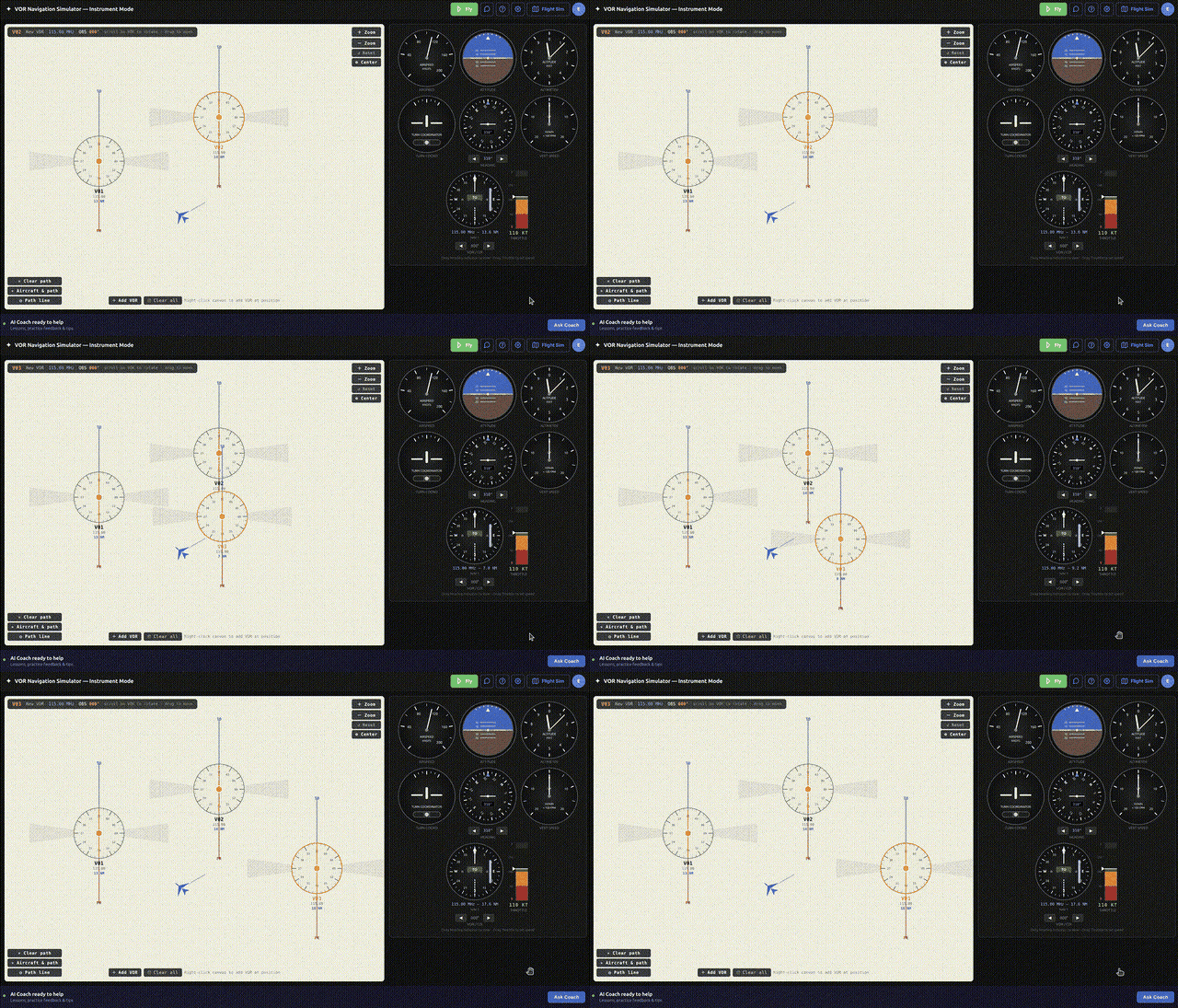
Accidents like the LaGuardia collision underscore why procedural training matters long before a pilot reaches a busy Class B airport. Navigation simulators help build the mental model — understanding where you are, where traffic is, and how ATC instructions translate into physical positions on the airport.
VOR navigation training, for example, forces pilots to think spatially: which radial am I on? What heading do I need to intercept? Is my CDI deflection telling me to go left or right? This kind of spatial reasoning is the same skill that keeps pilots oriented on complex taxiway systems.
The more reps a student pilot gets in a controlled environment, the more automatic these habits become in the real cockpit — leaving more mental bandwidth for the unexpected.
Moving Forward
The NTSB investigation into the LaGuardia collision will likely take 12 to 18 months to produce a final report. In the meantime, the aviation community will study the preliminary findings and, as always, look for ways to make the system safer.
For student pilots and aviation enthusiasts, the most actionable takeaway is this: safety is built in training, not discovered in emergencies. Every sim session, every ground lesson, every practice approach is an investment in the habits that keep you — and everyone around you — alive.
Our thoughts are with the families of the two pilots who lost their lives, and with everyone affected by this tragedy.