The Rise of Pilot AI
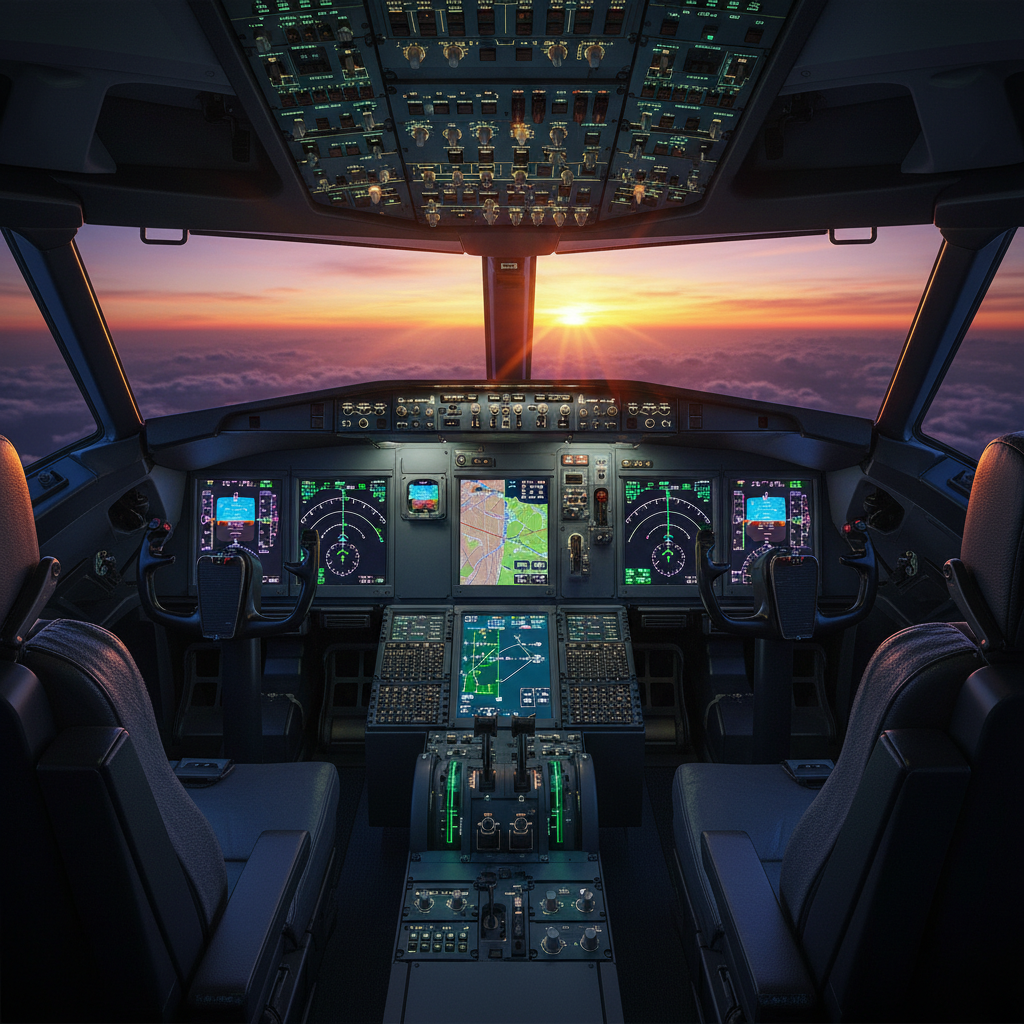
Artificial intelligence is no longer a distant concept in aviation — it is actively flying aircraft, coaching student pilots, and reshaping how the entire industry thinks about the cockpit. In 2026, the phrase "pilot AI" covers everything from military autonomous fighters to consumer flight sim tools that act as virtual flight instructors.
In February 2026, U.S. Air Force test pilots used tactical AI aboard an experimental fighter jet to evade a simulated incoming missile. The onboard AI detected the threat and executed an evasive maneuver autonomously, keeping the pilot alive and the aircraft intact. Meanwhile, DARPA delivered an autonomous Black Hawk helicopter to the U.S. Army in March 2026 — the culmination of its ALIAS (Aircrew Labor In-Cockpit Automation System) program, which proved that AI can fly a full-size military helicopter with zero crew on board.
These are not science fiction milestones. They are aviation news happening right now, and they carry direct implications for every student pilot studying for their certificate today.
From Autopilot to AI Copilot
Traditional autopilot has been in cockpits since the 1930s. It follows pre-programmed rules: hold this altitude, track this heading, fly this approach. It is reliable, but it does not learn, adapt, or make decisions.
Modern pilot AI is fundamentally different. Machine learning systems can process thousands of variables simultaneously — weather, traffic, aircraft performance, terrain — and recommend or execute actions that a human pilot might not consider in time. DARPA's ACE (Air Combat Evolution) program demonstrated this in 2024 when an AI-piloted F-16 engaged in real dogfights against human pilots, making split-second tactical decisions at speeds no human could match.
The next phase, DARPA's AIR (Artificial Intelligence Reinforcements) program, is now pushing these capabilities further with a 30-month development timeline. The goal is not to replace fighter pilots but to give them AI wingmen — autonomous drones that fly alongside manned aircraft, extending the pilot's reach and reducing their cognitive workload.
In commercial aviation, the trajectory is similar. Airlines, unions, and regulators all agree: AI should supplement human pilots, not replace them. The cockpit of the future will likely feature AI systems that monitor pilot fatigue, flag potential conflicts, and manage routine tasks — freeing the human crew to focus on judgment, communication, and the decisions that machines still cannot make.
AI-Powered Flight Simulators Are Changing Pilot Study
The impact of AI on flight training is already tangible. A new generation of AI-powered flight sim tools is transforming how student pilots study, practice, and prepare for checkrides.
Sporty's 2026 Learn to Fly Course introduced ChatCFI — an aviation-specific AI engine that acts as a personal flight instructor. It answers questions, explains complex topics like airspace classifications or weather minimums, and generates custom study guides linked to FAA resources. For student pilots who cannot afford unlimited instructor time, this is a game-changer for pilot study.
SimInstructor.AI takes it further by providing real-time voice coaching inside desktop flight sims like Microsoft Flight Simulator and X-Plane. The AI sees your cockpit, monitors your procedures, and responds as you fly — calling out deviations, prompting checklists, and debriefing your performance after each session.
On the professional side, Navi's AI debriefing platform ingests cockpit audio, aircraft data, traffic, and weather information from simulator sessions. A domain-specific large language model then analyzes pilot intent, behavior, and performance against the flight school's training syllabus — giving instructors and students a level of post-flight analysis that was previously impossible without hours of manual review.
The flight simulator market reflects this shift. Valued at $6.8 billion in 2022, the industry is projected to reach $11.6 billion by 2030, driven largely by AI integration and the growing demand for cost-effective pilot training solutions.
What This Means for Flight Training
For student pilots, the rise of pilot AI creates both opportunities and new expectations. Here is what is changing:
More accessible ground school. AI tutors can answer questions at 2 AM, generate practice exams tailored to your weak areas, and explain regulations in plain language. The barrier to effective pilot study is dropping fast.
Better simulator practice. AI-enhanced flight sim sessions can now provide structured feedback that previously required an instructor in the room. This means more productive solo practice time and faster skill development.
Data-driven progress tracking. AI systems can identify patterns in your flying — consistent altitude deviations on base-to-final turns, late callouts, or rushed checklists — and surface these trends before your next lesson. This moves flight training from subjective impressions to measurable improvement.
Higher standards at checkrides. As AI tools become standard in training, examiners will increasingly expect the precision that comes from AI-augmented preparation. The bar is rising, and pilots who leverage these tools will be better prepared.
Why Human Pilots Still Matter
Despite the rapid advances in pilot AI, the aviation industry is not moving toward pilotless cockpits — and for good reason.
AI excels at processing data, following procedures, and reacting to known scenarios at superhuman speed. But aviation is full of situations that do not fit neatly into training data: unexpected mechanical failures, ambiguous ATC instructions, weather that changes faster than forecasts, and the countless micro-decisions that experienced pilots make based on intuition built over thousands of hours.
The Hudson River landing in 2009 is the classic example. No AI system in existence could have made Captain Sullenberger's decision to ditch in the river within the 208 seconds available — factoring in wind, glide distance, passenger safety, boat traffic, and a dozen other variables that were not in any training dataset.
Human pilots bring judgment, creativity, ethical reasoning, and the ability to communicate with passengers, crew, and controllers in ways that build trust. These are not skills that AI will replicate anytime soon. The consensus across airlines, military branches, and regulators is clear: the future cockpit has AI in it, but it also has a human pilot in command.
Building Your Foundation
If AI is going to handle more of the routine flying, what should student pilots focus on? The answer is the foundational skills that AI augments but cannot replace.
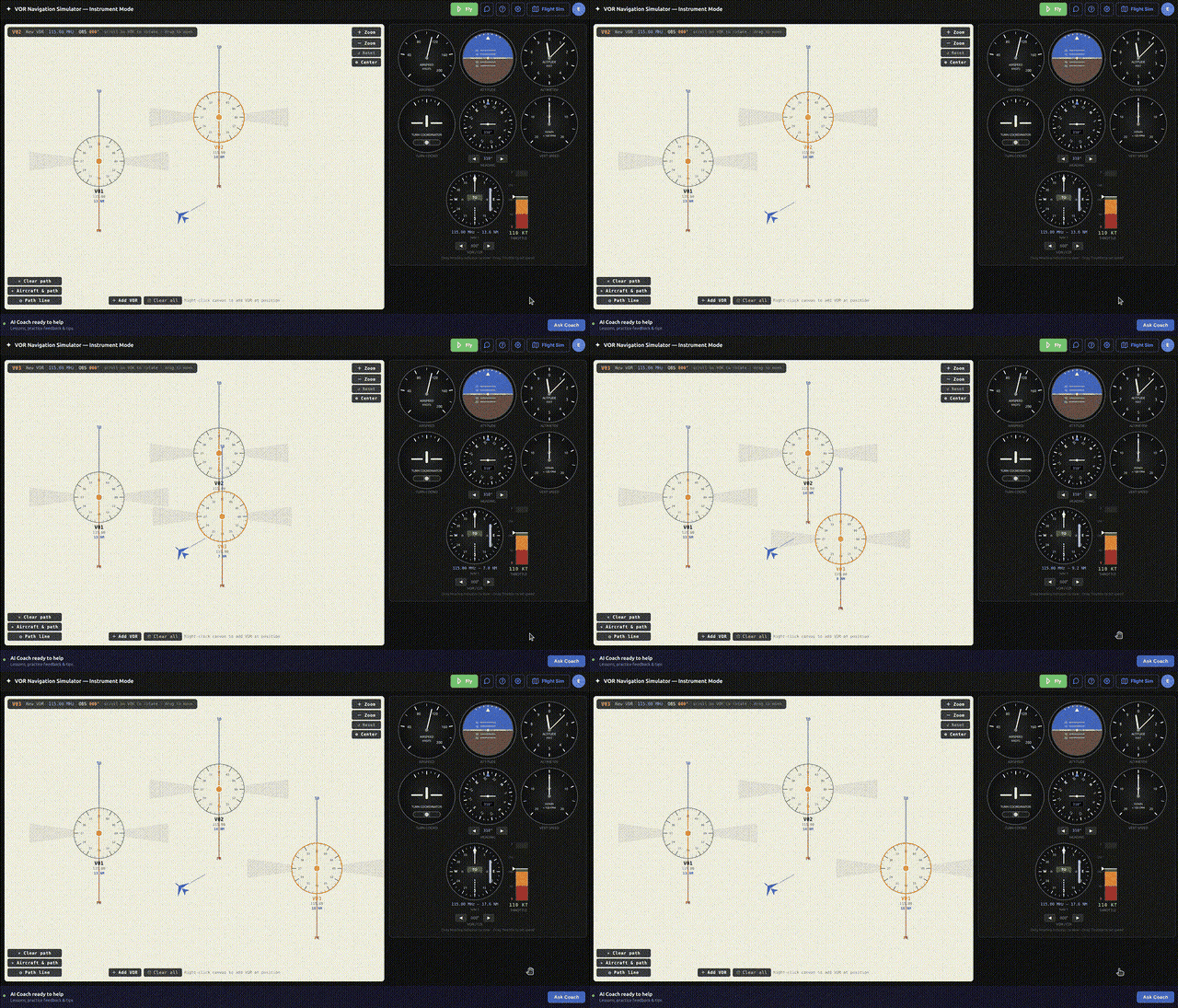
Navigation fundamentals matter more, not less. Understanding VOR radials, CDI deflection, and spatial orientation builds the mental model that every pilot — AI-assisted or not — needs to stay situationally aware. When the automation fails or disagrees with reality, the pilot who understands the underlying navigation is the one who makes the right call.
Simulator training is the bridge. The same AI tools that are reshaping commercial aviation are available to student pilots today through desktop flight sims and web-based trainers. Every hour spent practicing VOR intercepts, tracking radials, and interpreting instrument indications is an hour invested in the skills that keep you ahead of the automation.
The pilots who will thrive in an AI-augmented cockpit are the ones who trained the fundamentals so deeply that they can recognize when the AI is wrong. That training starts now — not with the most advanced tools, but with the most fundamental ones.