The Pilot Salary Landscape in 2026
Pilot salary is one of the most searched topics in aviation — and for good reason. With historic contract negotiations at Delta, United, and American reshaping pilot compensation, 2026 is one of the best years in history to be a professional pilot. But the numbers can be confusing. Headlines cite six-figure salaries while new hires at regional airlines wonder where that money actually is.
The reality is that pilot pay is a spectrum. It depends on your airline, your seniority, the aircraft you fly, and the routes you operate. According to the Bureau of Labor Statistics, the median annual salary for airline pilots in the United States is $226,600. But that median hides enormous variation — from $75,000 at the entry level to over $500,000 for senior captains at major carriers.
Understanding this spectrum is essential for any student pilot planning their career. Flight training is a significant investment, and knowing the realistic timeline from first lesson to first paycheck helps you make informed decisions about how to get there.
Regional Airline First Officer: The Starting Line
Most airline pilots begin their careers at regional airlines — companies like Envoy, SkyWest, Republic, and PSA that operate shorter routes under the banner of major carriers. Five years ago, regional first officers started at $40,000 to $50,000 annually. That era is over.
In 2026, regional airline first officers typically start between $75,000 and $100,000 per year. This dramatic increase is the direct result of the pilot shortage, which forced regional carriers to compete aggressively for new hires. Signing bonuses of $20,000 to $50,000 are now common, and some carriers offer tuition reimbursement programs that offset a significant portion of flight training costs.
The trade-off is lifestyle. Regional flying often means short overnight trips, early report times, and less schedule flexibility than major airlines. But for a pilot with 1,500 hours and a freshly minted ATP certificate, it is the fastest path to the left seat of a jet — and the experience required to move up.
Major Airline First Officer: The Big Jump
Moving from a regional to a major airline — Delta, United, American, Southwest — is the single largest pay increase in a pilot's career. First-year first officers at major carriers now start between $90,000 and $130,000, with Southwest leading the industry at approximately $130,000 for new hires.
At Delta Air Lines, first officers start around $110,000. At United, the range is $111,000 to $115,000. These figures reflect base pay and do not include per diem, profit sharing, or premium pay for working holidays and weekends — all of which can add $10,000 to $30,000 annually.
The path from regional to major typically takes 3 to 5 years, though the current pilot shortage has compressed timelines. Pilots with strong records, clean training histories, and type ratings in modern aircraft are being hired faster than at any point in the last two decades.
Captain at a Major Airline: The Top of the Pay Scale
Upgrading from first officer to captain at a major airline is a seniority-based process that typically takes 7 to 12 years, depending on the airline and fleet. Once you reach the left seat, the compensation is extraordinary.
Senior captains at Delta Air Lines — particularly those flying international widebody routes on the 777 or A350 — can earn between $500,000 and $750,000 annually when combining base salary ($350,000 to $400,000), profit sharing, per diem, and premium pay. Delta's senior captain base salary starts at approximately $426,000.
Following the unprecedented contract negotiations of late 2025, including United's $10 billion pilot contract and Delta's historic profit-sharing program, airline pilot salaries increased 8 to 12 percent year over year. These contracts locked in pay rates that will continue to grow through the decade, making 2026 a landmark year for pilot compensation.
The Cost of Getting There: Flight Training Investment
The elephant in the room is the cost of flight training. Earning a private pilot certificate, instrument rating, commercial certificate, and multi-engine rating — the minimum qualifications to begin building the 1,500 hours required for an ATP certificate — typically costs between $80,000 and $100,000 at an accelerated flight school. Part 141 university programs can run $150,000 to $200,000 including tuition.
This is a significant upfront investment, but the return on investment is strong. A pilot who begins training at age 22, reaches the airlines by 25, and upgrades to captain at a major by 35 can expect to earn $8 to $12 million over a 30-year career. Few professions offer that trajectory with a similar entry point.
Financial strategies that successful pilots use include: military aviation (which provides free training and competitive flight time), airline-sponsored pathway programs (which offer conditional job offers and sometimes tuition assistance), and disciplined flight hour building through instruction, banner towing, or cargo flying.
What Student Pilots Should Focus on Now
If you are early in your pilot study, the salary numbers are motivating — but the focus should be on building a strong training foundation. Airlines hire pilots with clean records, solid instrument skills, and the ability to operate professionally in complex environments.
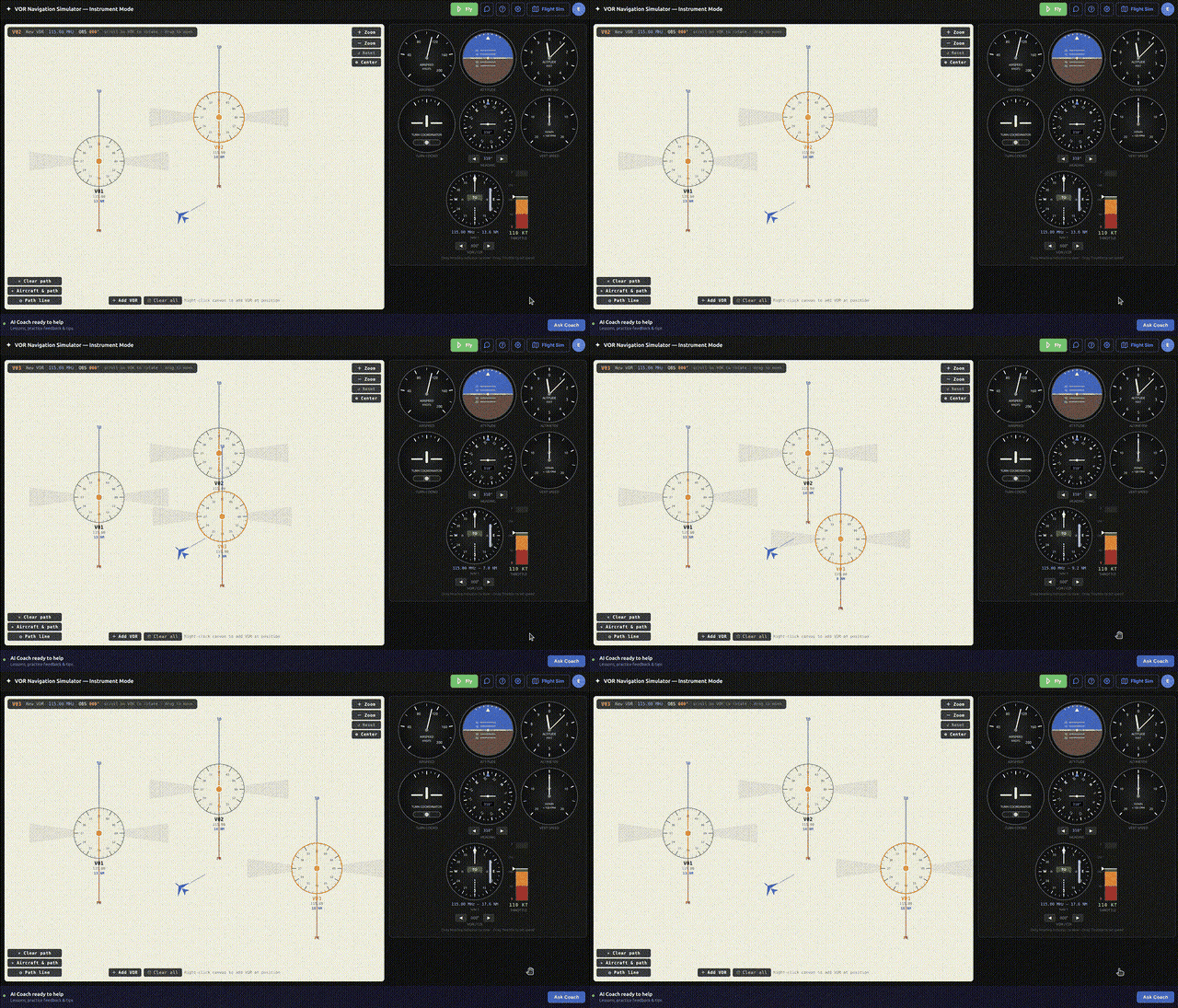
Instrument proficiency is the skill that separates career-track pilots from weekend flyers. Understanding VOR navigation, holding patterns, instrument approaches, and CDI interpretation is not just checkride material — it is the foundation of every airline flight you will ever operate. Student pilots who invest time in simulator practice and VOR training build these skills faster and retain them longer.
The pilot shortage is real, the salaries are historic, and the career path is clearer than it has ever been. But it starts with the same first step it always has: learning to fly with precision, discipline, and a commitment to continuous improvement. The paycheck follows the preparation.